

NAVAIR 01-1A-509-3
01 March 2005
TM 1-1500-344-23-3
TO 1-1-689-3
d. Stray electrical currents can cause corrosion.
e. Active metals and dissimilar metals in contact
are often unprotected.
f. Closed boxes can produce condensation via
normal temperature changes during flight.
g. Avionic systems have many areas that trap
moisture.
h. Hidden corrosion is difficult to detect in many
avionic systems.
i. Many materials used in avionic systems are
subject to attack by bacteria and fungi.
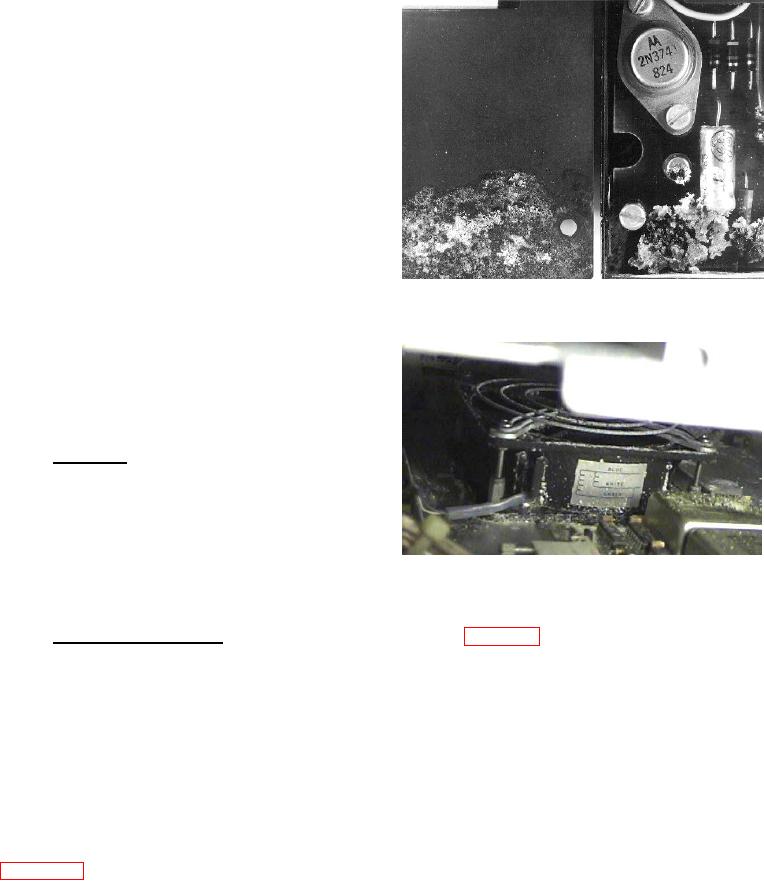
Figure 3-1. Corrosion Caused by Blown Capacitor Acid
j. Organic materials are often used that, when
overheated or improperly or incompletely cured, can
produce vapors. These vapors are corrosive to
electronic components and damaging to coatings and
3-2. INSPECTION PROCESS.
3-2.1. GENERAL. Frequent corrosion inspections are
essential to the overall corrosion control program. By
early detection, identification, and treatment, the costs
resulting from corrosion are minimized. Without regular
systematic inspections, corrosion will seriously damage
avionic equipment. The following paragraphs describe
some of the basic aspects of visual inspection for
Figure 3-2. Frequency Test Set Corroded
corrosion and the telltale signs associated with various
While in Storage
types of corrosion damage.
3-2.2. INSPECTION FACTORS. Calendar-based and
shown in Figure 3-2. This corrosion occurred while in
phase maintenance inspections shall be in accordance
storage.
with parent service or command directives. However,
extreme humidity, temperature, atmospheric conditions
d. Length of time aircraft is nonoperational.
and time shall be considered when determining the
frequency of corrosion inspections. The following
e. Nonpressurized equipment and equipment bays.
factors shall be considered when establishing local
inspection intervals:
f. Antenna and externally mounted avionic
packages such as electronic countermeasure (ECM)
a. Operational environment.
pods.
b. Known corrosion-prone areas such as battery
g. Equipment mounted in water entrapment areas.
components, ram air turbines, and electrical bonds.
Figure 3-1 shows corrosion caused by a blown
h. Equipment susceptible to particularly harsh
capacitor.
environments, such as sonobuoys and magnetic
anomaly detection (MAD) systems.
c. Length of storage time, with respect to equipment
and components. A corroded frequency test set is