

NAVAIR 01-1A-509-3
01 March 2005
TM 1-1500-344-23-3
TO 1-1-689-3
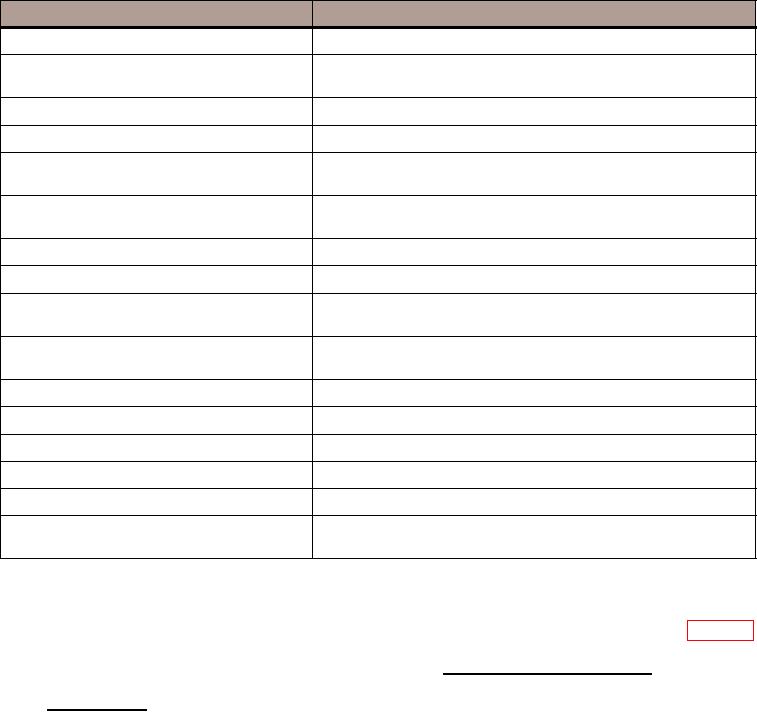
Table 3-1. Effects of Corrosion on Avionic Equipment
Component
Antenna Systems
Shorts or changes in circuit constants and structural deterioration
Batteries
High resistance at terminals, failure of electrical contact points, and
structural deterioration of mounting. Erroneous cockpit signals
Bus Bars
Structural and electrical failures
Chassis, Housings, Covers, and Mount Fames
Contamination, pitting, loss of finish, and structural deterioration
Coaxial Lines
Impedance fluctuations, loss of signals, and structural deterioration of
connectors
Control Box Mechanical and Electrical Tuning
Intermittent operation and faulty frequency selection
Linkage and Motor Contacts
Display lamps and Wing Lights
Intermittent operation, mechanical and electrical failures
Fluid Cooling System Lines
Failure of gaskets, pitting, and power loss
Multi-pin Cable Connectors
Shorts, increased resistance, intermittent operation, and water seal
deterioration
Plugs, Connectors, Jacks and Receptacles
Shorts, increased resistance, intermittent operation, and reduced
system reliability
Disintegration of insulation, and wire/connector deterioration
Printed Circuits and Microminiature Circuits
Shorts, increased resistance, component and system failures
Relay and Switching Systems
Mechanical failure, shorts, intermittent operation, and signal loss
Shock Mounts and Supports
Deterioration and loss of shock effectiveness
Water Traps
Structural deterioration
Waveguides
Loss of integrity against moisture, pitting, reduction of efficiency and
structural deterioration
(oxides) and organic contaminant films. Insulating
corrosion in electronic systems. The typical effects of
films form during nonuse and prevent startup of
corrosion on avionic equipment are listed in Table 3-1.
equipment. Once the equipment is activated, the
insulating film is removed by friction between surfaces.
3-1.6. SPECIAL CONSIDERATIONS. The control of
corrosion in avionic systems is not unlike that in
3-1.5. ELECTRONIC. Moisture and contamination
airframes. Procedures used for airframes are applicable
penetrate into electronic systems causing many
to avionics with appropriate modifications. The general
detrimental effects, corrosion being one of these. In
differences in construction and procedures between
most electronic systems, circuit areas have been
airframe and avionics relative to corrosion control are
minimized for faster signal processing and higher
as follows:
density. This means that most circuit paths are thin, or
small in cross-sectional area, and that individual circuit
a. Avionics rely on less durable protection systems.
paths are close together. In such systems, trace
amounts of moisture and contamination may cause
b. Very small amounts of corrosion can make
system failure. For example, if the aluminum surface of
avionic equipment inoperative, as compared to
an integrated circuit (IC) is contaminated, affected
airframes.
circuit paths may become blocked. This extreme
sensitivity requires special caution when dealing with
c. Dissimilar metals are often in electrical contact.