

NAVAIR 01-1A-509-3
01 March 2005
TM 1-1500-344-23-3
TO 1-1-689-3
8-7.2. GENERAL SOLUTIONS TO STATIC CHARGE
PROBLEMS. The techniques that can be used include
i n c r e a s i n g corona discharge by ionization of
s u r r o u n d i n g air, increasing surface electrical
conductivity, or increasing bulk material electrical
conductivity. It is often very difficult to promote corona
discharge into the air for most avionics systems.
Therefore, static protection has been commonly brought
about by methods that would increase the surface and/
or volume electrical conductivity.
8-7.3. ESD PROBLEM SOLUTIONS. To protect ESD
devices, it is important to provide a conductive path to
ground. This provides for rapid dissipation of static
electrical charge. Practical solutions of dealing with
ESD may be summarized as follows:
a. Dissipate by distribution over conductive surface.
b. Shield ESD sensitive components from induced
potentials (shielding).
c. Provide conductive path to ground.
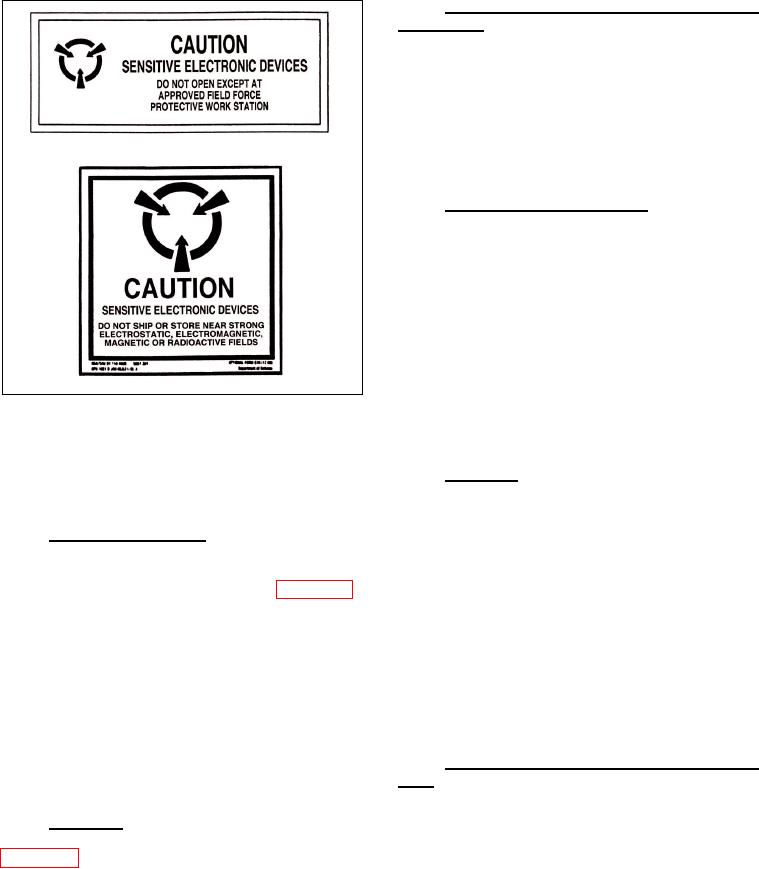
Figure 8-4. Examples of Typical Markings on ESD
Sensitive Item Package
8-8. EFFECTS OF CORROSION.
users should be alert for different markings as well as
8-8.1. GENERAL. Corrosion can degrade the electrical
those shown. The presence of the symbol indicates
and mechanical properties of ESD protection systems.
the item is considered an ESD sensitive device.
The exposure of ESD devices/ESD protection systems
to various environmental conditions can significantly
8-6.3. ESD CLASSIFICATION. Electronic components
increase their susceptibility to damage from the
subject to ESD related damage or failure are grouped
discharge of static electricity. Under field service
as ESD materials. These are grouped into three major
conditions, military avionics experience corrosion
categories as defined in MIL-STD-1686 (Table 8-4):
between metal surfaces such as electrical bonding/
grounding connections. This problem is two-fold. First,
a. Class 1: Extremely Sensitive: Voltage ranges
corrosion between metal surfaces in avionics creates
from 0-2 kV.
structural weaknesses that undermine its effectiveness
to shield ESDS components from induced potentials.
b. Class 2: Sensitive: Voltage ranges from 2-4 kV.
Second, the corrosive process creates nonconductive
products that decrease the paths of conduction of
c. Class 3: Less sensitive - Voltage ranges from
static charge away from the device or assembly.
4-16 kV (Class 3 items are sometimes considered
non-ESD sensitive).
8-8.2. CORROSION-INDUCED CHARACTERIS-
TICS. Although no valid method of evaluating the
8-7. DISSIPATION OF STATIC CHARGES.
effect of corrosion on ESD sensitivity exists presently,
certain trends can be identified. ESD protection for
8-7.1. GENERAL. Dissipation of static charge usually
enclosed avionic equipment can degrade in perfor-
occurs by one of three different paths as shown in
mance over time. This occurs often after only 3 or 4
Figure 8-5. These paths represent corona discharge
months of exposure to the field environment and
into the air, surface conduction to ground and
normal use. Galvanic corrosion is usually the principal
conduction through the volume of the material to
form of attack. This type of corrosion can rapidly
ground. Therefore, the tendency to build up static
charge may be decreased by increasing these paths of
conduction away from the material.